
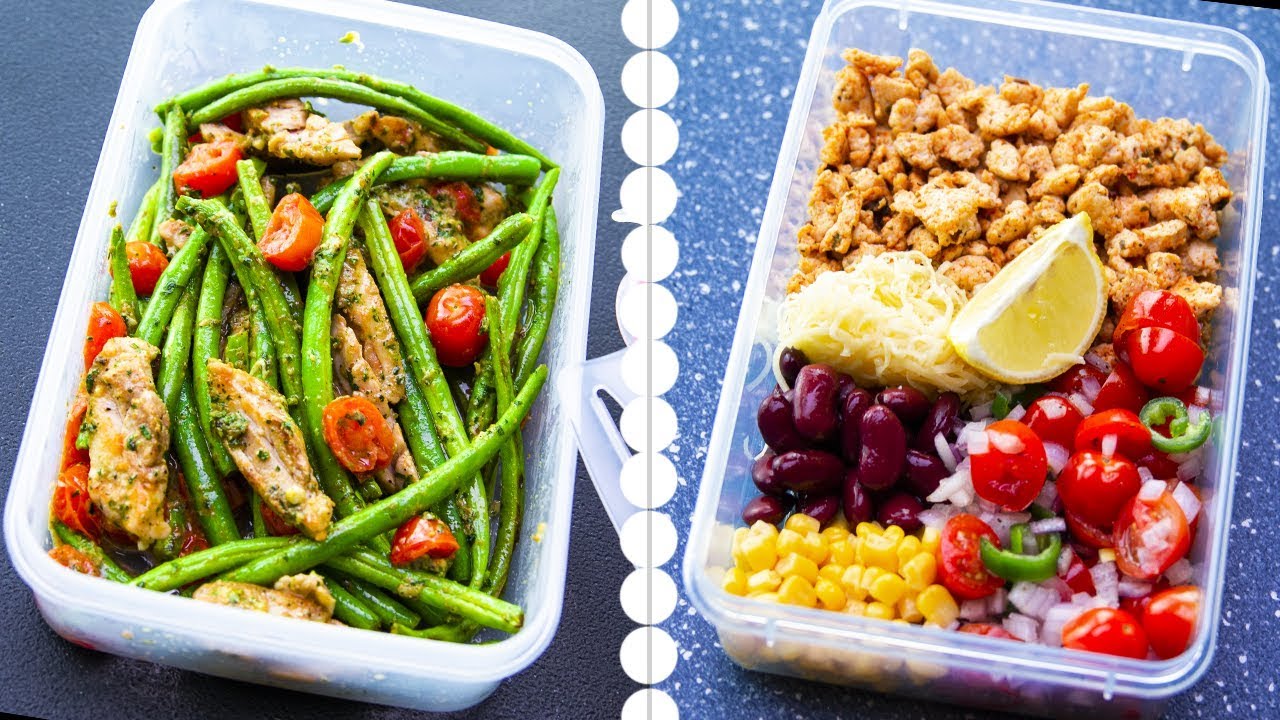
Losing weight is not just about exercising—it’s also about what you eat every day. A well-balanced, healthy meal plan can help you lose weight naturally, maintain energy levels, and improve overall health. The key is to focus on nutrient-rich foods, proper portions, and consistency.
Why Meal Planning is Important for Weight Loss
A proper meal plan helps you:
- Avoid unhealthy, last-minute food choices
- Control portion sizes
- Maintain a balanced diet
- Stay consistent with your weight loss goals
When you plan your meals, you’re more likely to stick to healthy eating habits.
Key Principles of a Healthy Meal Plan
1. Balance Your Nutrients
Each meal should include:
- Protein (chicken, eggs, lentils, beans)
- Healthy fats (nuts, seeds, olive oil)
- Complex carbs (brown rice, oats, whole grains)
- Fiber (vegetables, fruits)
This balance keeps you full and prevents overeating.
2. Control Portion Sizes
Even healthy foods can lead to weight gain if eaten in excess. Use smaller plates and avoid second servings unless truly hungry.
3. Eat Frequently but Smartly
Instead of 2-3 large meals, aim for 4-5 smaller meals throughout the day to keep your metabolism active and hunger under control.
Sample Healthy Meal Plan (1 Day)
Breakfast
- Oatmeal with milk
- 1 boiled egg
- 1 apple or banana
Benefits: High in fiber and protein to keep you full longer.
Mid-Morning Snack
- Handful of almonds or walnuts
- Green tea (no sugar)
Benefits: Provides healthy fats and boosts metabolism.
Lunch
- Grilled chicken or lentils (dal)
- 1–2 whole wheat chapati or brown rice
- Mixed vegetable salad
Benefits: Balanced meal with protein, carbs, and fiber.
Evening Snack
- Yogurt or fruit bowl
- Black coffee or lemon water
Benefits: Keeps hunger in check and prevents overeating at dinner.
Dinner
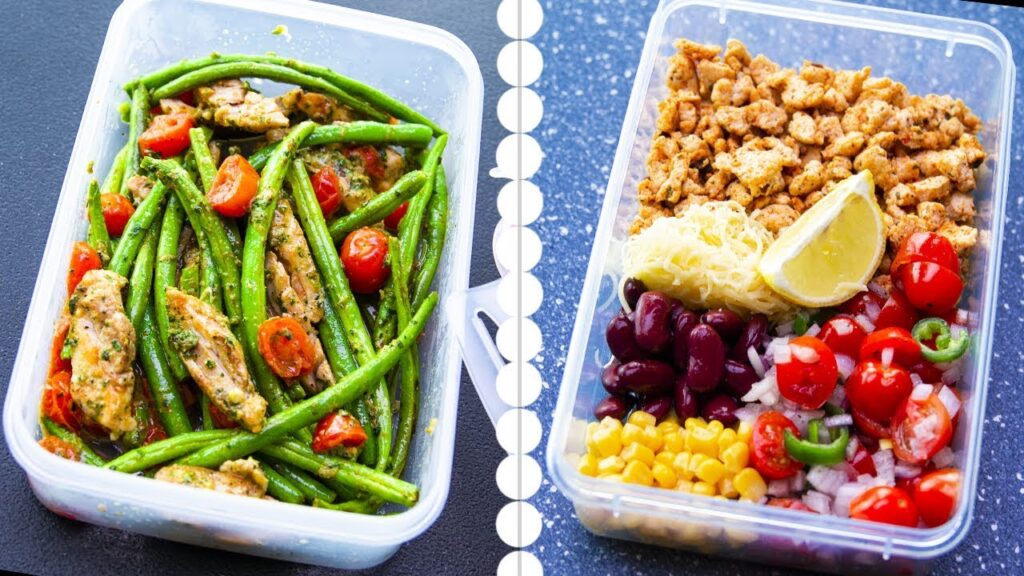
- Light meal: grilled vegetables + chicken/fish OR lentils
- Small portion of whole grains (optional)
Benefits: Low-calorie meal that supports digestion and fat loss.
Best Foods for Weight Loss
✅ Eat More Of:
- Vegetables (spinach, broccoli, carrots)
- Fruits (apples, oranges, berries)
- Lean proteins (chicken, fish, eggs)
- Whole grains (oats, brown rice)
❌ Avoid or Limit:
- Sugary drinks and sodas
- Fast food and fried items
- Processed snacks
- Excess sugar and refined carbs
Hydration Matters
Drink at least 8–10 glasses of water daily. Water helps:
- Control appetite
- Improve digestion
- Boost metabolism
You can also include herbal teas or lemon water.
Tips for Success
- Prepare meals in advance to avoid unhealthy choices
- Eat slowly and mindfully
- Avoid late-night eating
- Stick to a routine
- Combine diet with exercise for faster results
Common Mistakes to Avoid
- Skipping meals (slows metabolism)
- Following extreme diets
- Ignoring portion sizes
- Eating too many “healthy” snacks
Conclusion
A healthy meal plan is one of the most effective ways to lose weight naturally. By focusing on balanced nutrition, portion control, and consistency, you can achieve your fitness goals without starving yourself. Remember, weight loss is a journey—make sustainable changes and enjoy the process.