
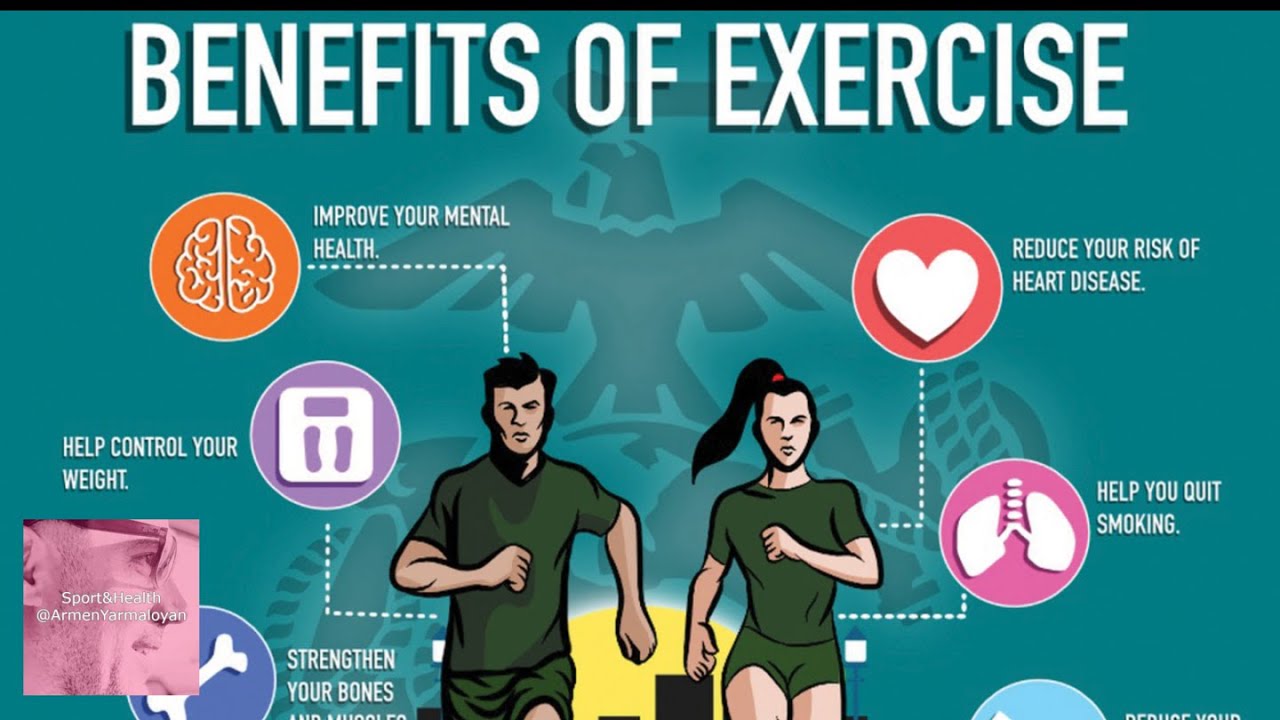
Exercise is often associated with physical fitness, but its impact on mental health is just as powerful. Regular physical activity can help reduce stress, improve mood, and boost overall emotional well-being.
In today’s fast-paced world, where stress and anxiety are common, exercise can be a natural and effective way to maintain a healthy mind.
How Exercise Affects Mental Health
When you exercise, your body releases endorphins, also known as “feel-good” hormones. These chemicals help reduce pain, improve mood, and create a sense of happiness.
Exercise also reduces levels of stress hormones like cortisol, helping you feel more relaxed and balanced.
1. Reduces Stress
Physical activity helps release built-up tension in the body. Whether it’s a quick walk or a full workout, exercise can calm your mind and reduce stress levels.
2. Helps Fight Depression
Regular exercise can significantly reduce symptoms of depression. It improves mood, increases energy, and provides a sense of accomplishment.
3. Reduces Anxiety
Exercise helps regulate breathing and relax the body, which can reduce feelings of anxiety. Activities like yoga and walking are especially helpful.
4. Boosts Self-Confidence
As you become stronger and healthier, your confidence naturally improves. Achieving fitness goals also increases self-esteem.
5. Improves Sleep Quality
Regular physical activity helps you fall asleep faster and enjoy deeper sleep. Better sleep leads to improved mental health and focus.
6. Enhances Brain Function
Exercise increases blood flow to the brain, improving memory, focus, and overall cognitive function.
7. Provides Social Interaction
Group workouts, walking with friends, or fitness classes help you connect with others, reducing feelings of loneliness.
8. Builds Discipline and Routine
Regular exercise creates structure in your day, which can improve mental stability and reduce negative thinking.
Best Exercises for Mental Health
- Walking or jogging
- Yoga and meditation
- Strength training
- Dancing
- Cycling
Even 15–30 minutes daily can make a big difference.
Tips to Improve Mental Health Through Exercise
- Choose activities you enjoy
- Start with small, achievable goals
- Stay consistent
- Combine exercise with relaxation techniques
- Spend time outdoors when possible
Common Mistakes to Avoid
- Overexercising
- Expecting instant results
- Skipping rest days
- Treating exercise as a burden
Conclusion
Regular exercise is a powerful tool for improving mental health. It reduces stress, boosts mood, enhances brain function, and promotes overall well-being.
By making physical activity a part of your daily routine, you can achieve not only a healthier body but also a happier and more balanced mind.